
COACHING SUPERVISION
A reflective space for coaches and for leaders who coach
For practitioners who work at depth, reflection isn't a luxury – it's where the work renews itself, where blind spots come into view, and where you can ask honestly: what is truly in service of the client here?
Supervision gives that reflection a home.
Not oversight or assessment, but a regular, relational space to think clearly about your practice, see the patterns you're too close to notice, and stay in touch with your own judgement.
Who I work with
I supervise coaches and leaders who coach. Two different practitioners, with more in common than the labels suggest.
The coaches I am most drawn to working with tend to be like me in certain ways – building their own unique offerings, often blending modalities, sometimes working at the edges of established categories. Their work asks them to dig deep, to challenge long-standing assumptions, to try different approaches, to discern what is theirs and what belongs to the client. In depth work, that discernment is everything.
The leaders I supervise are senior people who coach inside their own organisations – sometimes formally, often informally, and always with the added complication that these relationships sit inside the system rather than cleanly outside it. They need somewhere to think about that work, with someone who understands both the leadership terrain and the coaching one.
What we do together
The work attends to four functions, in the proportions each session calls for:
· Restorative – the toll the work takes, and what helps you carry it
· Formative – your development as a practitioner, the patterns asking to be examined
· Normative – the ethics, contracts and conditions of good practice
· Business – the practical realities of practice as a livelihood: niche, fees, client attraction
In any given session, we might explore a specific client or piece of work; notice a parallel process that has quietly shown up between us; sit with the ethical edge of a situation that has no clean answer; or simply make room for what you didn't know you were carrying until the space was there.
How I work
My practice sits within the ICCS (International Centre for Coaching Supervision) Concentric Circles model – integrating Proctor's three functions, Heron's six categories of intervention, and Hawkins and Shohet's seven-eyed model, which I lean into most readily. Alongside these sit psychodynamic, systemic and transactional perspectives, and a steady interest in parallel process, which opens territory nothing else quite reaches.
I work toward the EMCC competency framework as a map for relational, systemic and emergent practice. I attend to the full supervisory field – what each of us carries in and takes away, not only what happens between us.
I hold warmth and challenge together. Challenge matters in this work, and it travels best over solid relational ground – once there's trust, mutual curiosity, and a genuine peer-to-peer register between us. I build those conditions deliberately, from the first contracting conversation.
Sessions are mostly online, with the option of in-person and outdoor sessions when geography allows. I've come to think outdoor reflective practice is especially suited to supervision – the natural world is itself a complex living system, which makes it a fitting place to think about complex relational work. Where geography allows, we might use it in how you arrive at and leave our sessions.
What people are saying
"Working with Sandra has changed something fundamental in how I show up as a coach. I came in trying to work things out. I leave our sessions trusting that my presence and heart are enough."
"She holds a space that is patient, curious, warm, and unhurried – which makes it possible to go beneath the surface of what's happening with clients and see the patterns and currents that actually matter."
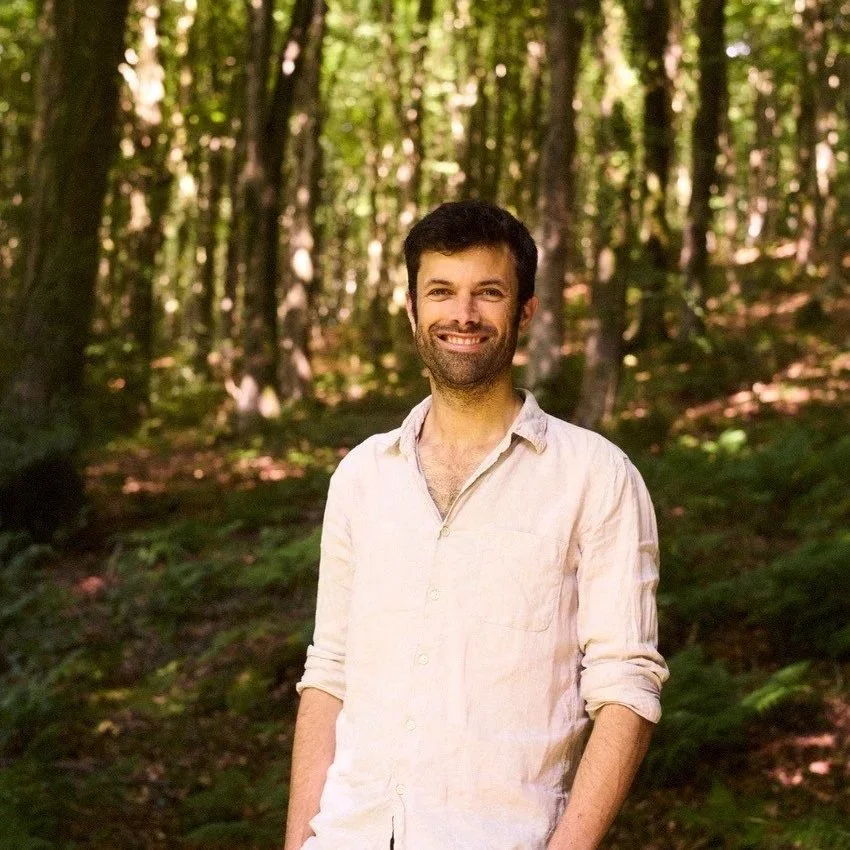
- Hamish Mackay Lewis, Soul Purpose Coach“The space Sandra creates – her kindness, humour, empathy, knowledge, skill, experience and practicality – has meant I can open up and explore challenging topics without feeling judged, and grow more quickly as a result.”
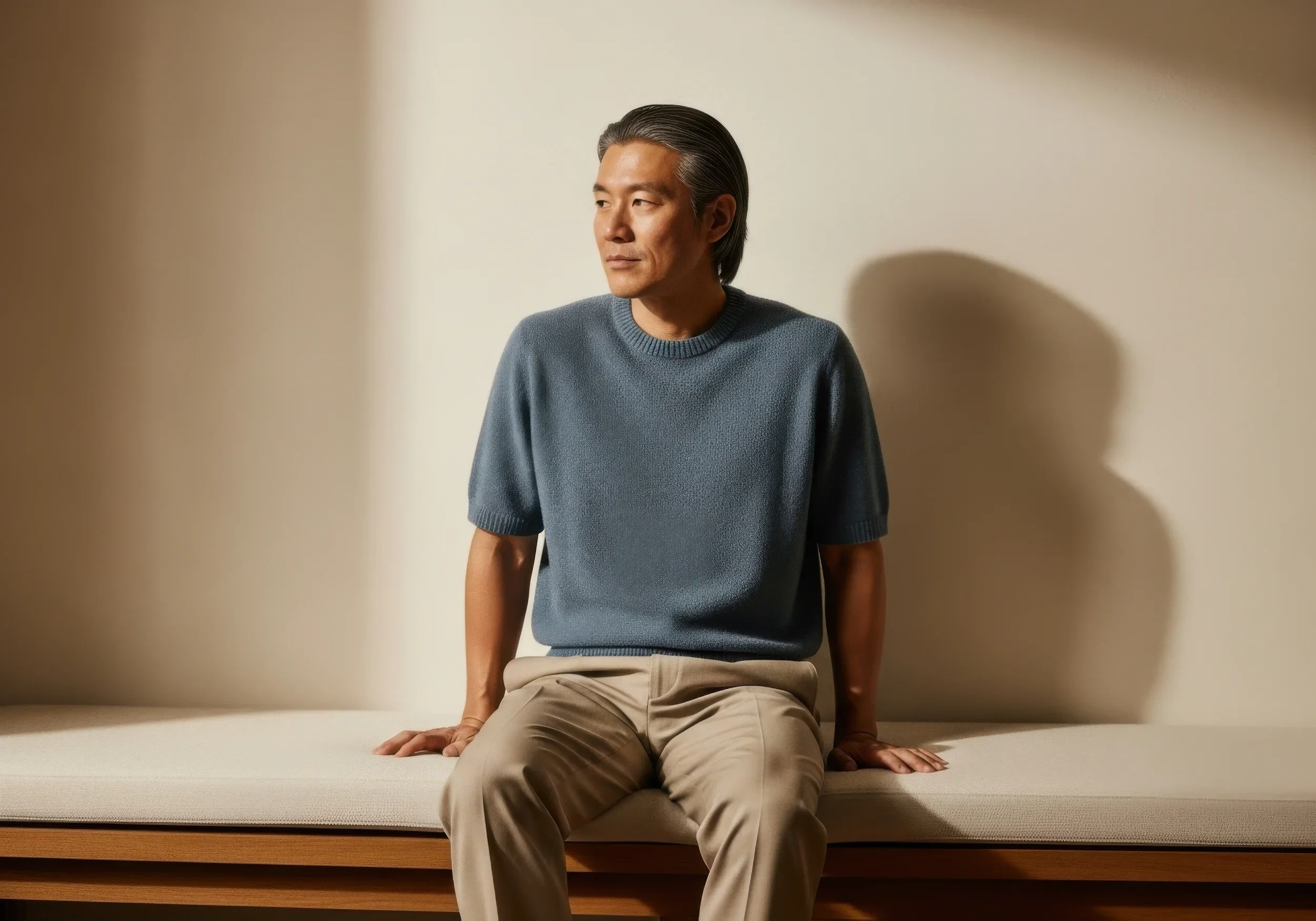
- Emily Lowe, Credentials and accreditation
Apart from holding an International Coach Federation (ICF) credential as a Professional Certified Coach, I am an Accredited Coaching Supervisor trained with the International Centre for Coaching Supervision. The ICCS programme is accredited by the European Mentoring and Coaching Council (EMCC), the Association of Coaching (AC) and ICF.
Two ways to work with me
One-to-one supervision is the heart of my practice – typically monthly, online, in extended contracts that give the relationship time to deepen and the work time to do its slower kind of learning. In-person and outdoor sessions are also available where geography and schedules allow.
Group supervision is something I am piloting later this year (2026). I have long-standing experience in team and group coaching and have always found the small group format highly generative – more mirrors, more material, more company in the work. If you are a coach or a leader-who-coaches and would like to express interest in joining, I would be glad to hear from you.

Begin with a conversation
Thirty minutes, no charge, no obligation. A chance to describe your practice and what you are looking for in supervision, and to see if we are a good fit.