

HOW I WORK
So much of who we become is shaped from the outside in – by our environment, role, expectations, by the conditioning that subtly sets the terms of our lives.
Most of the time it goes unexamined.
A reflective space is where that movement reverses: where you can hear yourself underneath the conditioning, and reach for something deeper than a fix.
What I mean by reflective space
A reflective space is not a place to be advised, fixed, or steered toward someone else's idea of what good looks like. It is a particular quality of thinking that becomes possible when you are present to yourself, to another, and to the wider world around you.
At some point in my practice, a realisation arrived that has shaped everything since: relationship is where the work is. For most of us, most of the time, sidestepping that reality is precisely what keeps us stuck. Nothing can grow from that position. A reflective space is where relational reality can be met – with honesty, courage, compassion and curiosity – and where something can begin to move.
People come to that kind of space when the surface answers have run out. When they want to think more clearly, notice what is actually happening, and find their own authority in the midst of it.
One way of working, three places to apply it
I work in three domains. With individual leaders, through coaching. With other coaches and with leaders who coach, through supervision. With small and medium-sized organisations, through consulting in strategy, organisation design and culture.
What unites them is a single way of seeing: that people, practices and organisations are all shaped by the environments – relational, structural, cultural – they are part of, and that healthier ways of being emerge when those environments are properly attended to.
The same lens at three different distances.
APPLIED TO A PERSON
Leadership Coaching
Read more
APPLIED TO A PRACTICE
Coaching Supervision
Read more
APPLIED TO AN ORGANISATION
Consulting
Read more
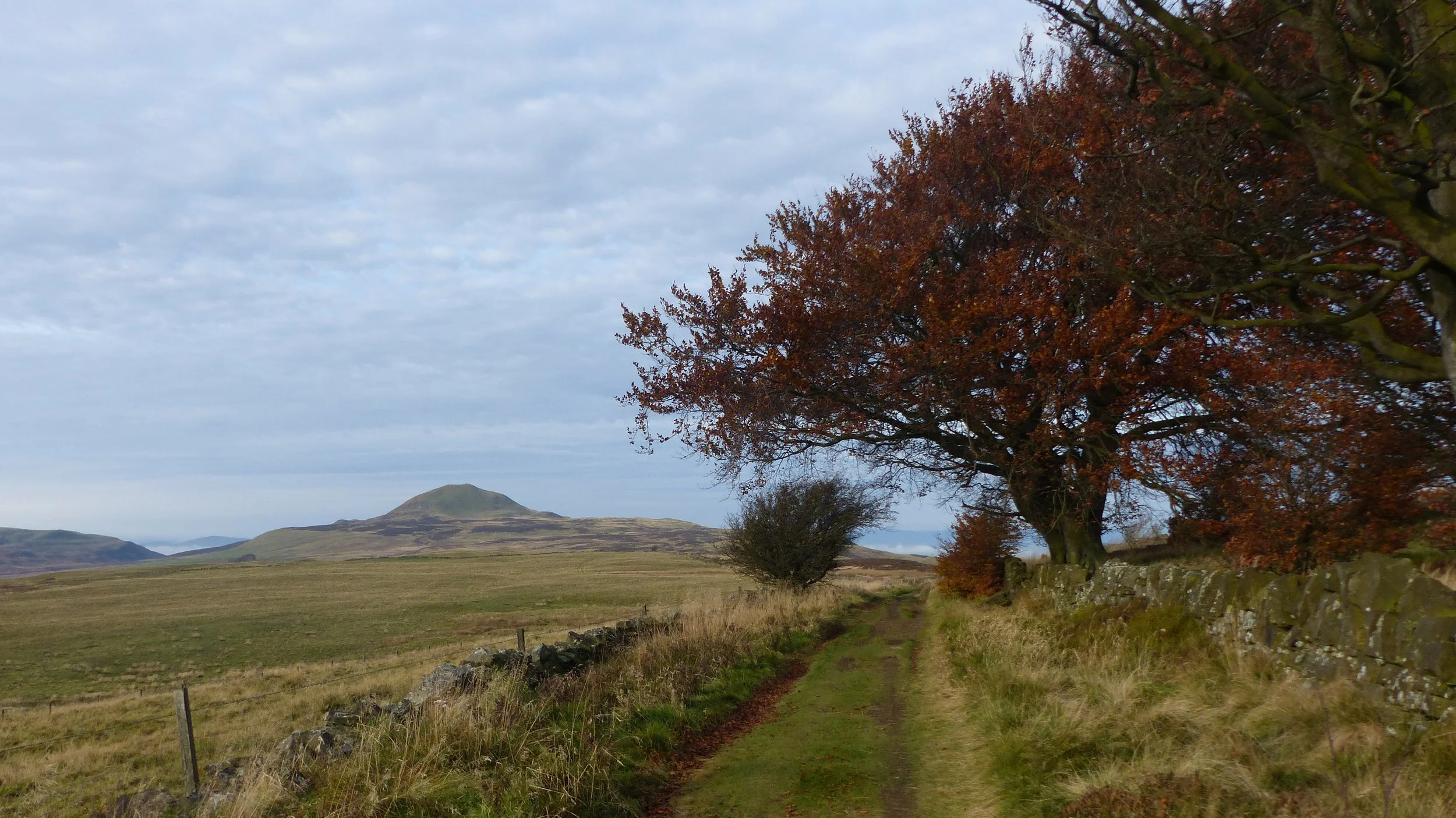
Working outdoors
I have worked outdoors with clients for over twenty years, and what began as an intuition has become a settled understanding. The other-than-human world is not a backdrop to the work, and not simply a cognitive lubricant. It is a participant.
Placing reflective practice – itself a systemic discipline – inside a living system creates a kind of structural resonance that desk-bound reflection rarely reaches. The natural world holds complexity without resolving it, offers presence without agenda, and quietly invites the same in us. When the conditions are right, it does some of the work that words alone cannot.
Outdoor sessions are one signature method, not the defining frame of the practice. We work indoors too, online and in person. The choice depends on what the work needs.
What sits underneath
The reflective space has roots. My supervision practice sits within the ICCS Concentric Circles model, integrating Proctor's three supervisory functions, Heron's six categories of intervention, and Hawkins and Shohet's seven-eyed model. Alongside these sit psychodynamic, systemic and transactional perspectives, EQ assessment work, attachment theory, and parts work informed by IFS.
The frameworks are scaffolding for the work, not the work itself.
The coaches, leaders and organisations I most often work with are navigating real multiplicity – organisational complexity, relational difficulty, personal thresholds, the exhaustion of work that asks a great deal of them.
Reflective spaces, for complex lives.

Begin with a conversation
Thirty minutes, no charge, no obligation. A chance to describe what's live for you and see whether this is the right kind of support.